

Select a subject or page number to open the reading book. People, places, methods and materials share this alphabetical route.
Complete A–Z index: search every subject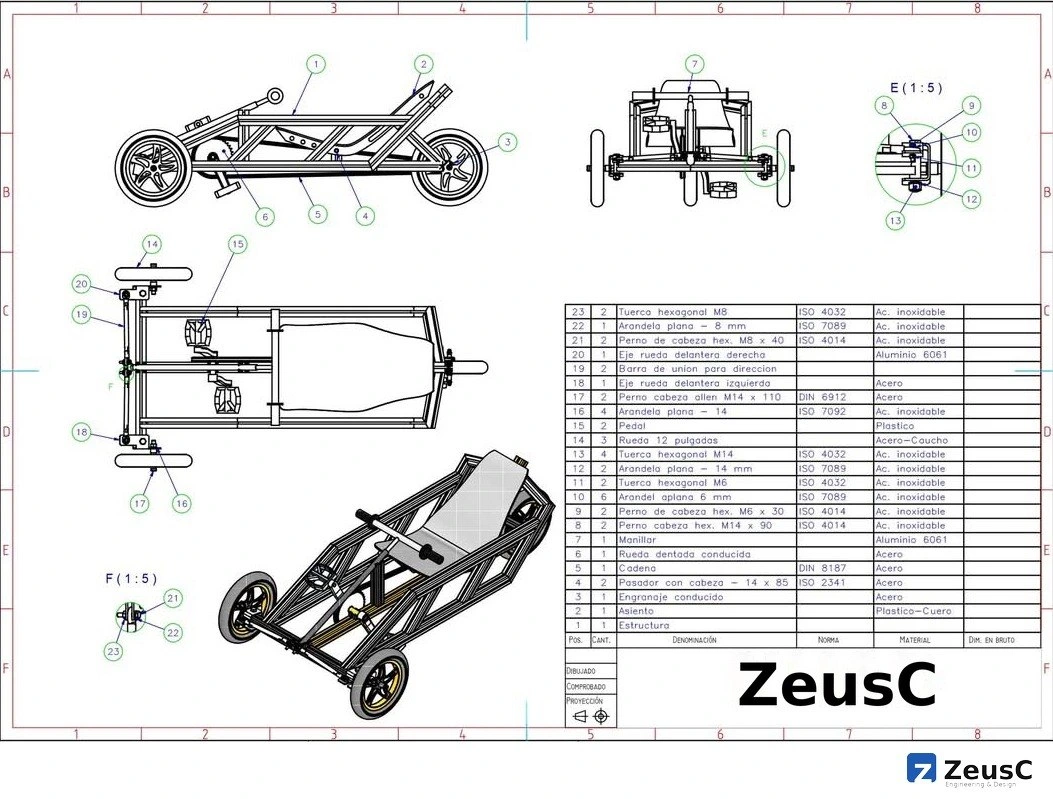
BOOK REFERENCE 1838
Count the hardware before cutting the frame
User‐supplied ZeusC archive, sheet 027. Original mark preserved. Date and underlying designer unconfirmed where not printed.
Read the account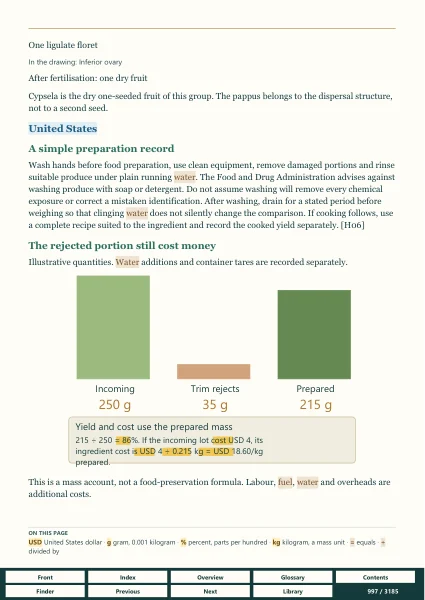 Source page
BOOK REFERENCE 997
Count the loss before pricing the meal
A teaching lot begins with 250 g of purchased greens. Sorting removes 35 g, leaving 215 g before washing. The accepted fraction is 215 ÷ 250 × 100 = 86%. If the greens cost USD 4.00, the ingredient cost per kilogram of accepted material is 4.00 ÷ 0.215 = USD 18.60. The USD…
Read the account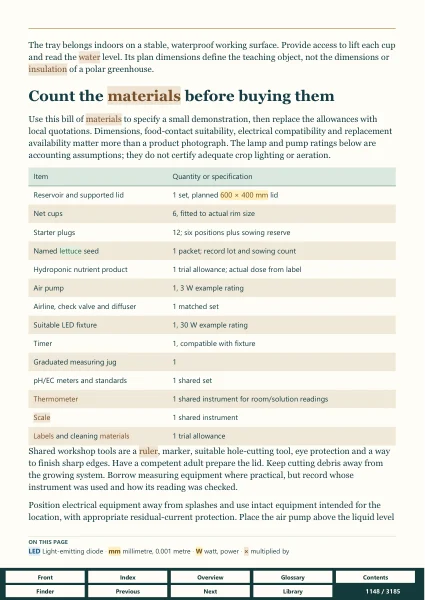 Source page
BOOK REFERENCE 1148
Count the materials before buying them
Use this bill of materials to specify a small demonstration, then replace the allowances with local quotations. Dimensions, food-contact suitability, electrical compatibility and replacement availability matter more than a product photograph. The lamp and pump ratings below…
Read the account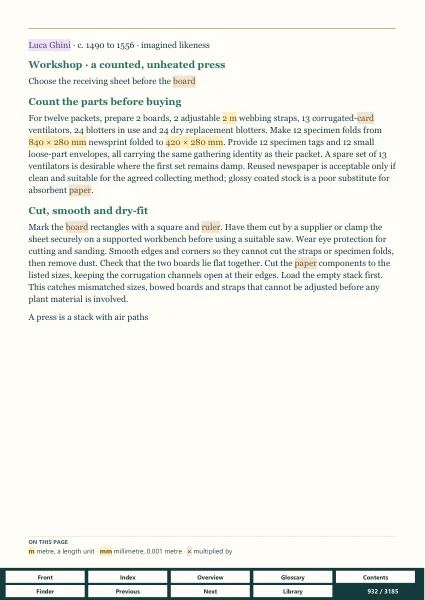 Source page
BOOK REFERENCE 932
Count the parts before buying
For twelve packets, prepare 2 boards, 2 adjustable 2 m webbing straps, 13 corrugated-card ventilators, 24 blotters in use and 24 dry replacement blotters. Make 12 specimen folds from 840 × 280 mm newsprint folded to 420 × 280 mm. Provide 12 specimen tags and 12 small…
Read the account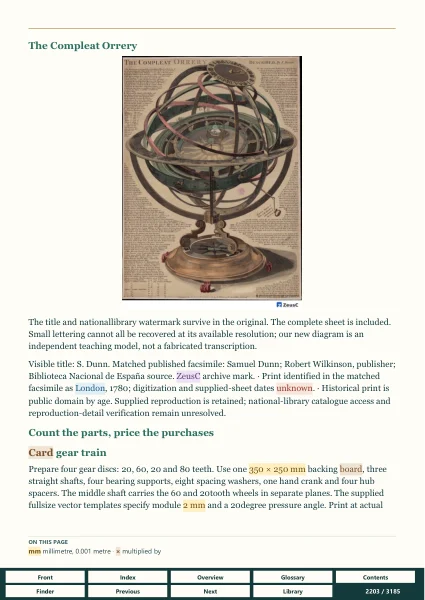 Source page
BOOK REFERENCE 2203
Count the parts, price the purchases
Prepare four gear discs: 20, 60, 20 and 80 teeth. Use one 350 × 250 mm backing board, three straight shafts, four bearing supports, eight spacing washers, one hand crank and four hub spacers. The middle shaft carries the 60 and 20tooth wheels in separate planes. The supplied…
Read the account- Source page
 Source page
BOOK REFERENCE 961
Count the purchases before pricing the harvest
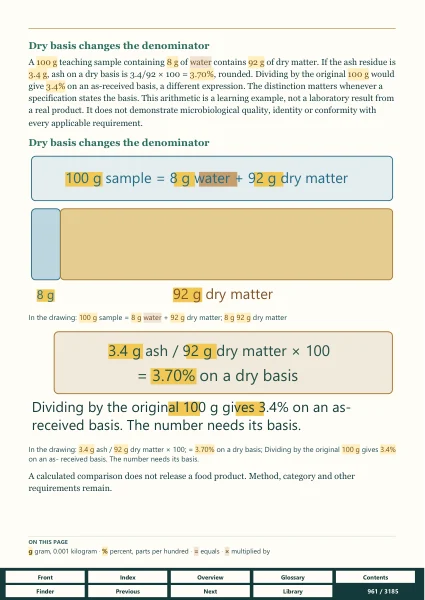
The field kit needs one caliper, one scale, one measuring board, two clips, one ruler, fifteen labelled sample bags and six containers for separate fractions. Some items may already be owned. Record quantity needed and quantity to buy separately. A reused board can reduce a…
Read the account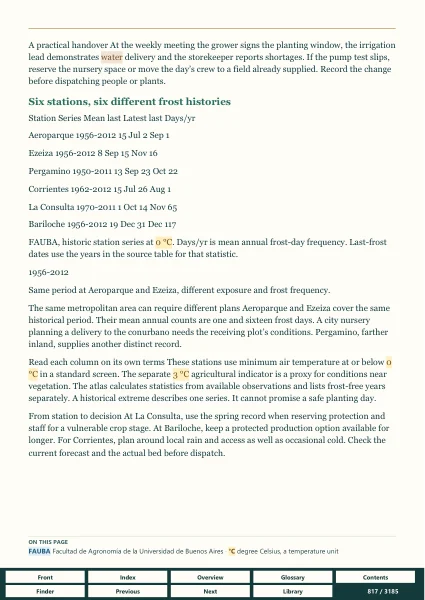 Source page
 Source page
BOOK REFERENCE 834
Count the stand before thinning
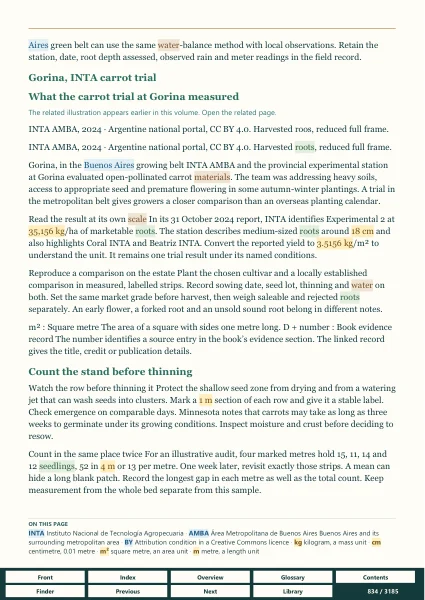
Watch the row before thinning it Protect the shallow seed zone from drying and from a watering jet that can wash seeds into clusters. Mark a 1 m section of each row and give it a stable label. Check emergence on comparable days. Minnesota notes that carrots may take as long…
Read the account Source page
 Source page
 Source page
BOOK REFERENCE 2089
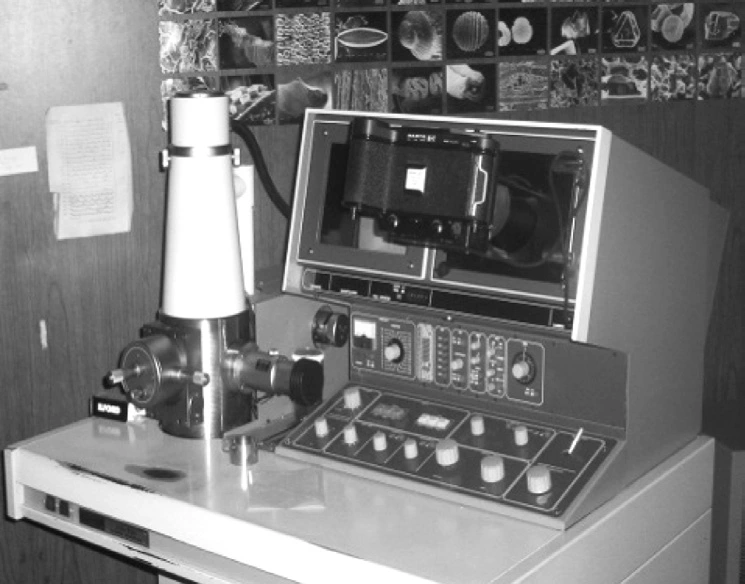
Count what the frame admits, then describe what the image can show
This historical scanning electron microscope belongs to the La Plata institutional record. The displayed instrument and its operating date are separate from the dimensions of any later specimen image.
Read the account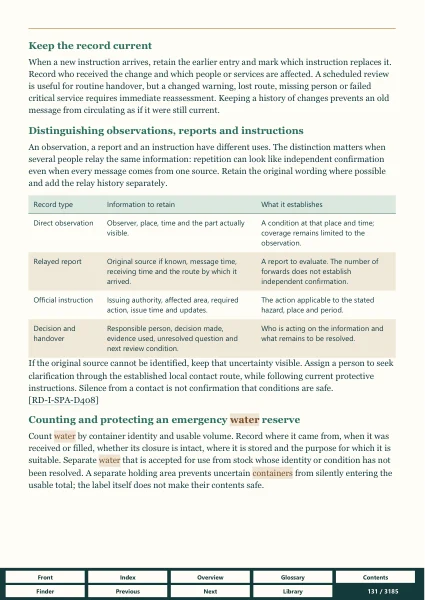 Source page
BOOK REFERENCE 131
Counting and protecting an emergency water reserve
Count water by container identity and usable volume. Record where it came from, when it was received or filled, whether its closure is intact, where it is stored and the purpose for which it is suitable. Separate water that is accepted for use from stock whose identity or…
Read the account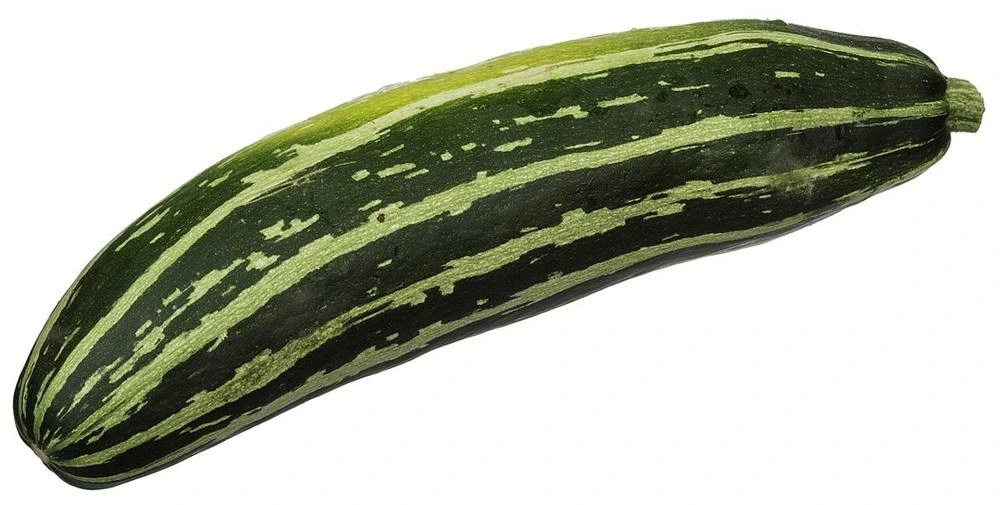
BOOK REFERENCE 1250
courgette (UK)
A zucchini is harvested young while the rind and seeds remain tender. Green cylinders are common, although round and yellow cultivars also exist. Larger fruit can develop coarser flesh.
Read the account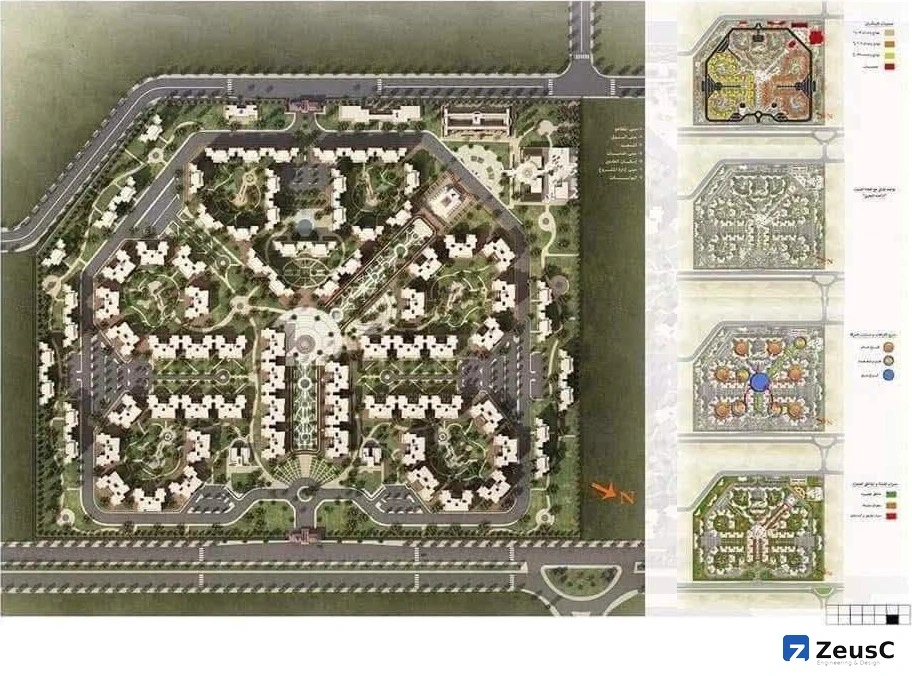
BOOK REFERENCE 624
Courtyard blocks around a central landscape
The inset views compare several arrangements beside the larger central plan. Repeated building blocks frame courts and a shared landscape. The small inset captions are preserved as part of the original plate; this edition does not reconstruct their illegible dimensions or…
Read the account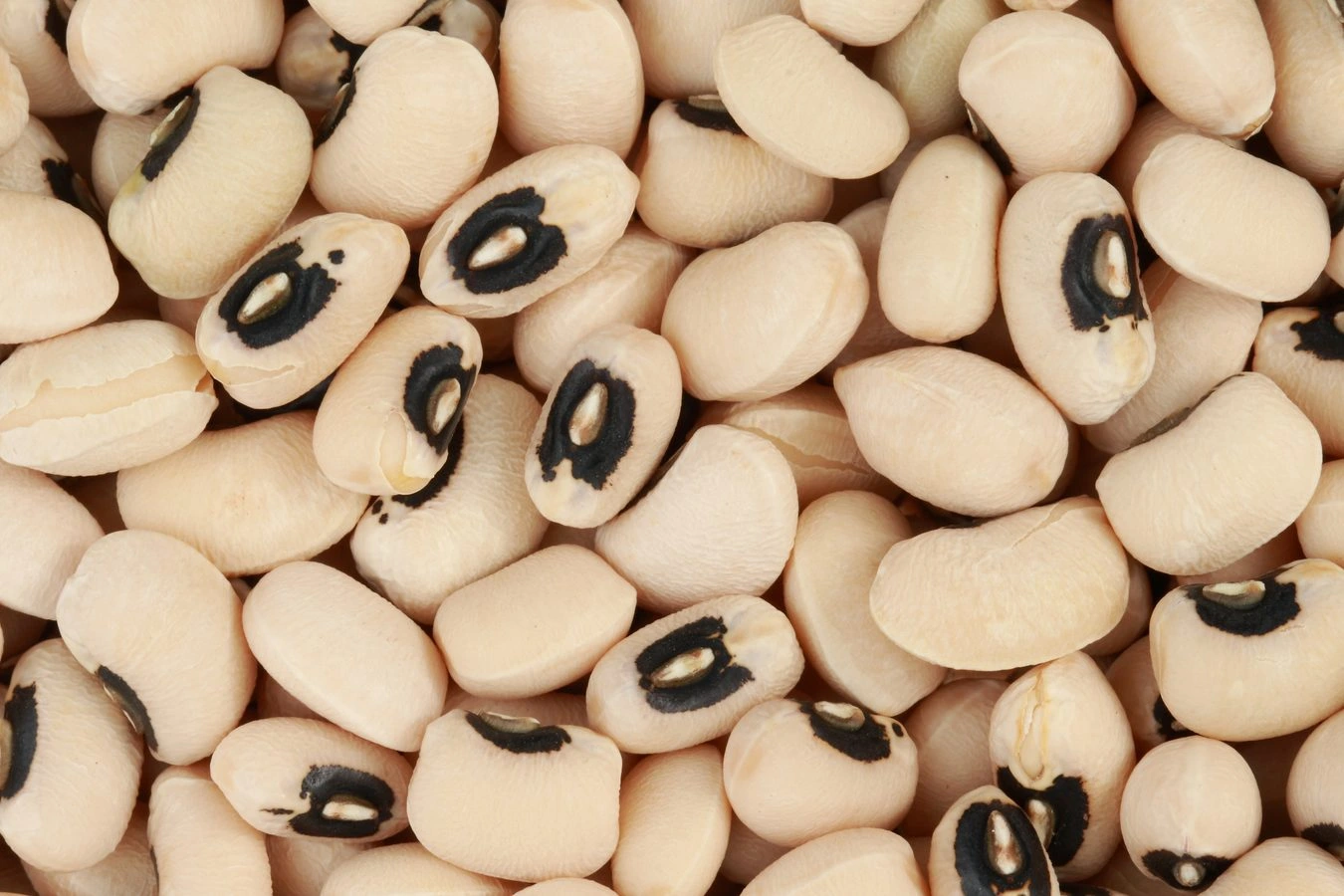
BOOK REFERENCE 1172
Cowpea
Tender long pods from a cultivated cowpea Black-eyed cowpea seeds. The dark ring marks the seed scar.
Read the account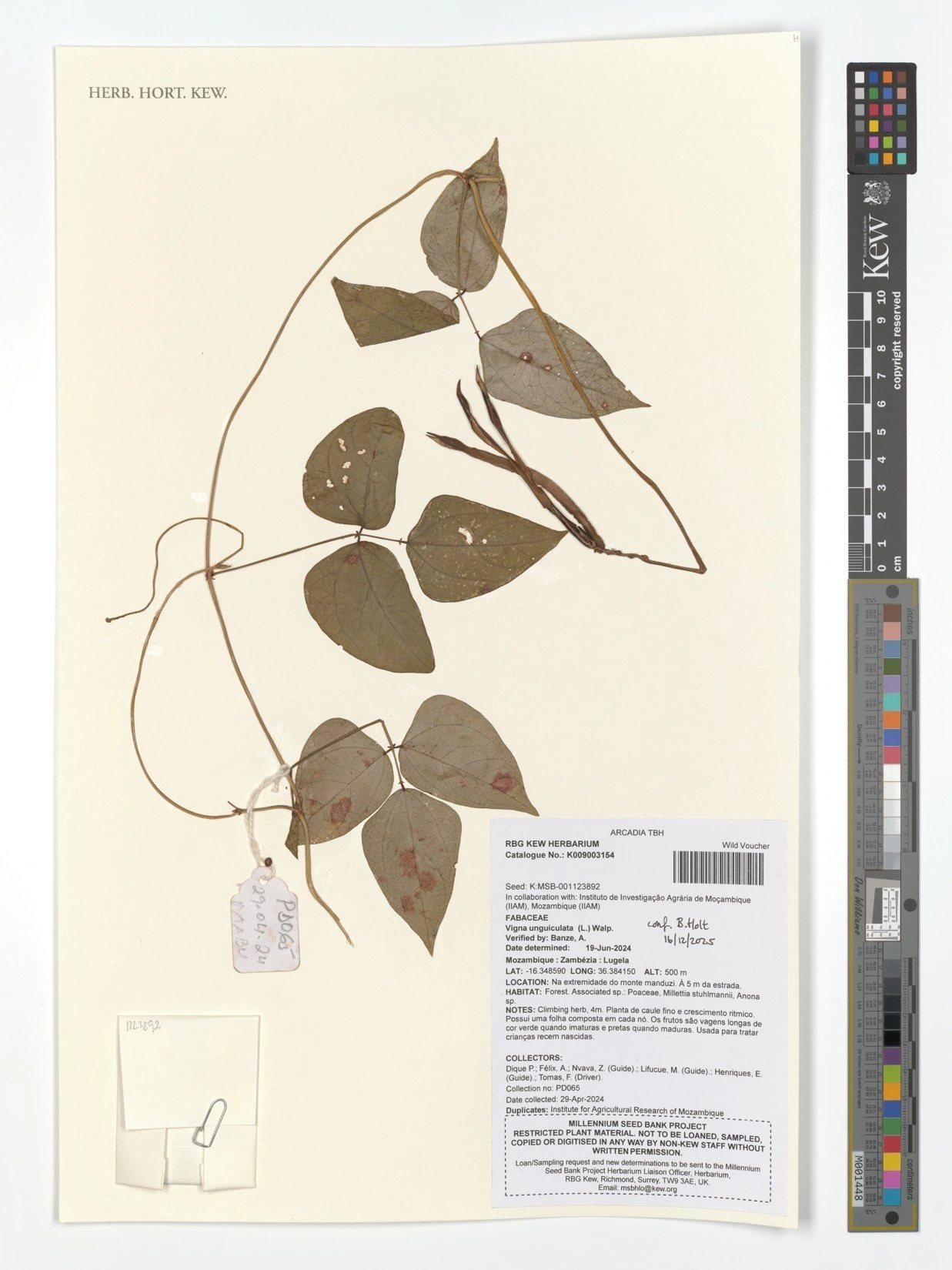
BOOK REFERENCE 1440
Cowpea · Vigna unguiculata
Collection specimen photograph. Royal Botanic Gardens, Kew. Catalogue K009003154. Collection date 2024‐04‐29. Royal Botanic Gardens, Kew ‐ Herbarium Specimens. Image use follows http://creativecommons.org/licenses/by/4.0/. The global collection record supplies the…
Read the account Source page
BOOK REFERENCE 1187
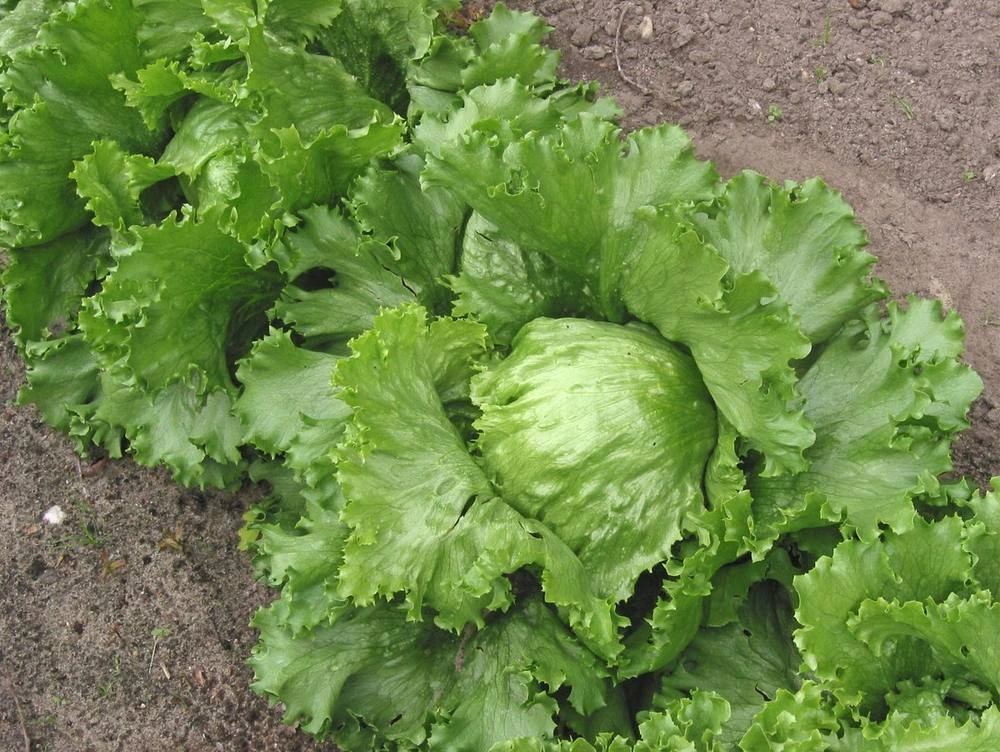
crisphead lettuce
Iceberg lettuce growing in a bed The centre folds inward while outer leaves remain open.
Read the account Source page
 Source page
BOOK REFERENCE 809
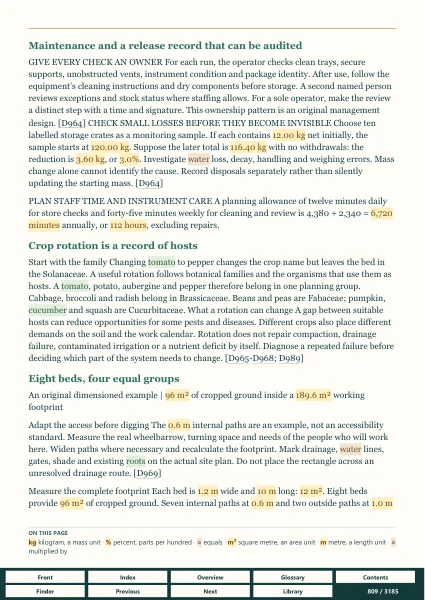
Crop rotation is a record of hosts
Start with the family Changing tomato to pepper changes the crop name but leaves the bed in the Solanaceae. A useful rotation follows botanical families and the organisms that use them as hosts. A tomato, potato, aubergine and pepper therefore belong in one planning group.…
Read the account Source page
 Source page
BOOK REFERENCE 3127
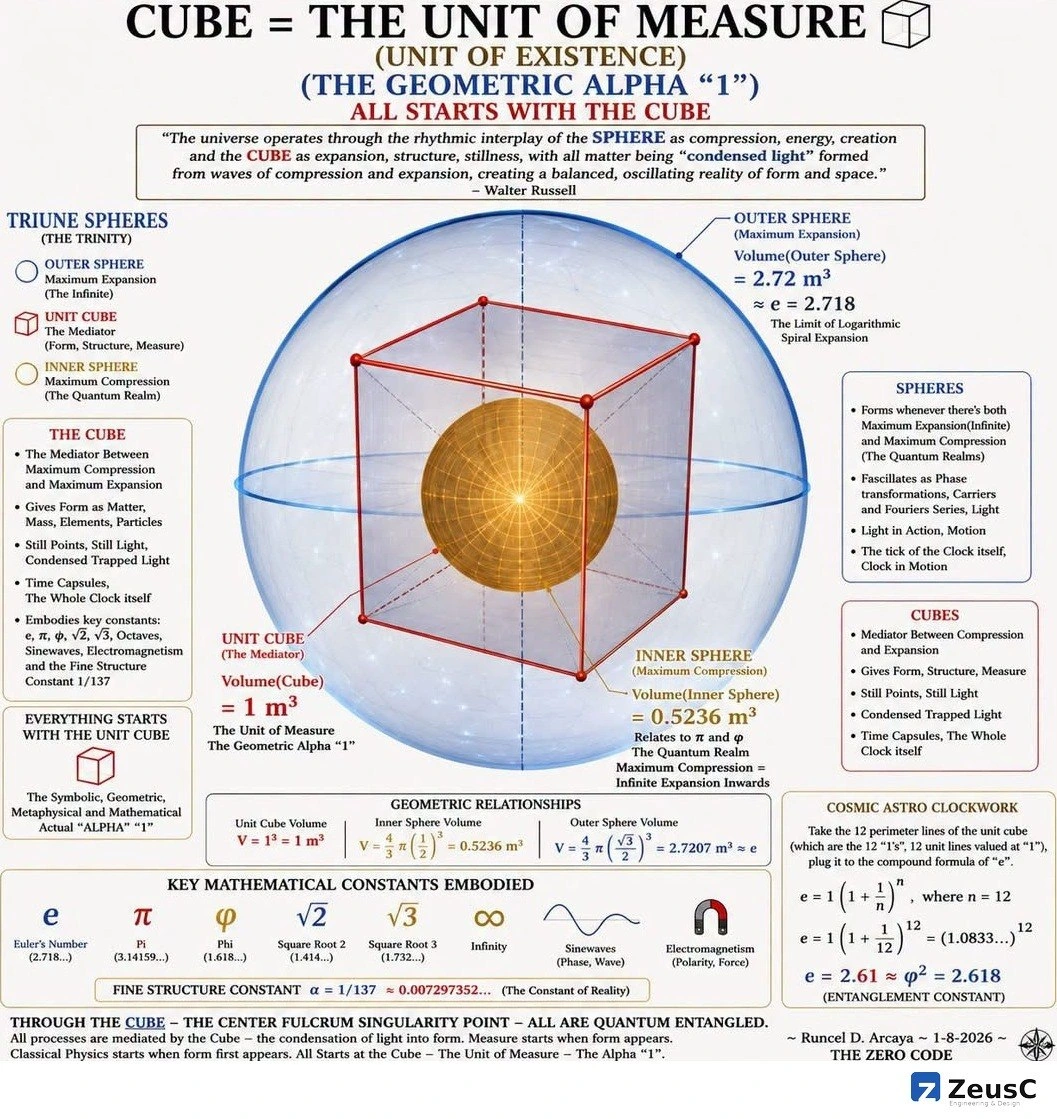
Cube and sphere: geometry within a cosmological poster
This design combines valid geometric forms with metaphysical interpretations of matter and consciousness. For a unit cube, distinguish the inscribed sphere from the circumscribed sphere before computing volumes. The numerical result is a property of a defined geometry, it…
Read the account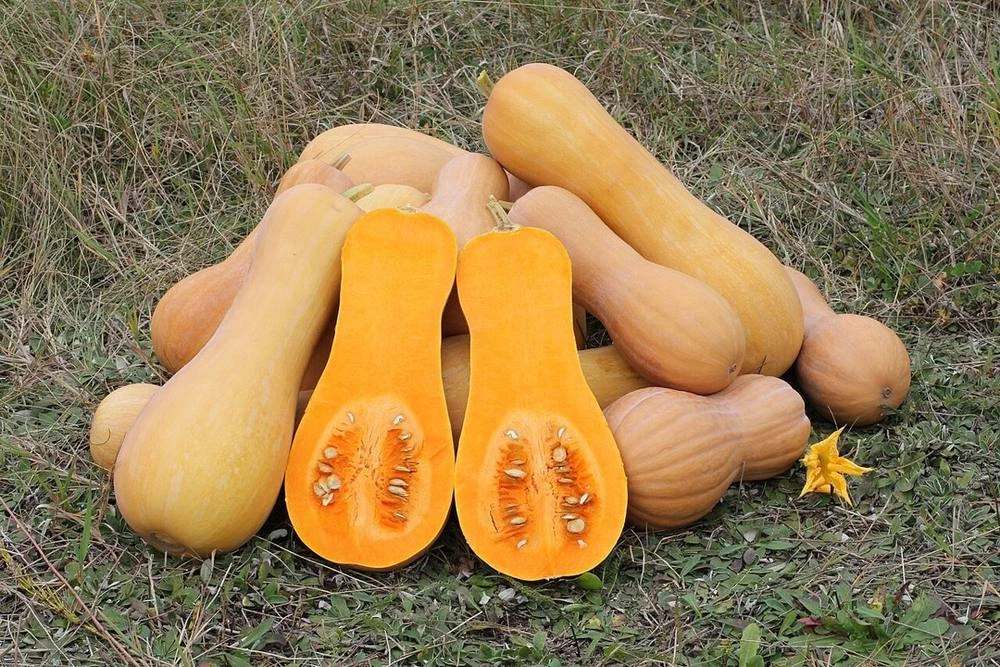
BOOK REFERENCE 1166
Cucurbita moschata
Whole and halved butternut squashes Seeds sit in the bulbous end below a solid neck of flesh.
Read the account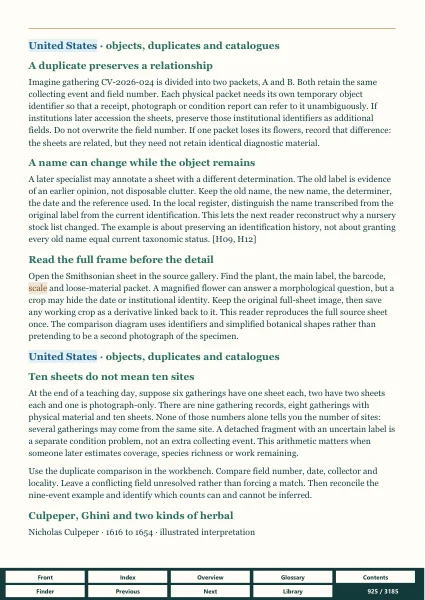 Source page
BOOK REFERENCE 925
Culpeper, Ghini and two kinds of herbal
A historical herbal describes or pictures plants, often in relation to healing. A herbarium in the collecting sense retains physical specimens. Luca Ghini, associated with Bologna and Pisa, was an important early advocate of teaching with dried plants in the sixteenth…
Read the account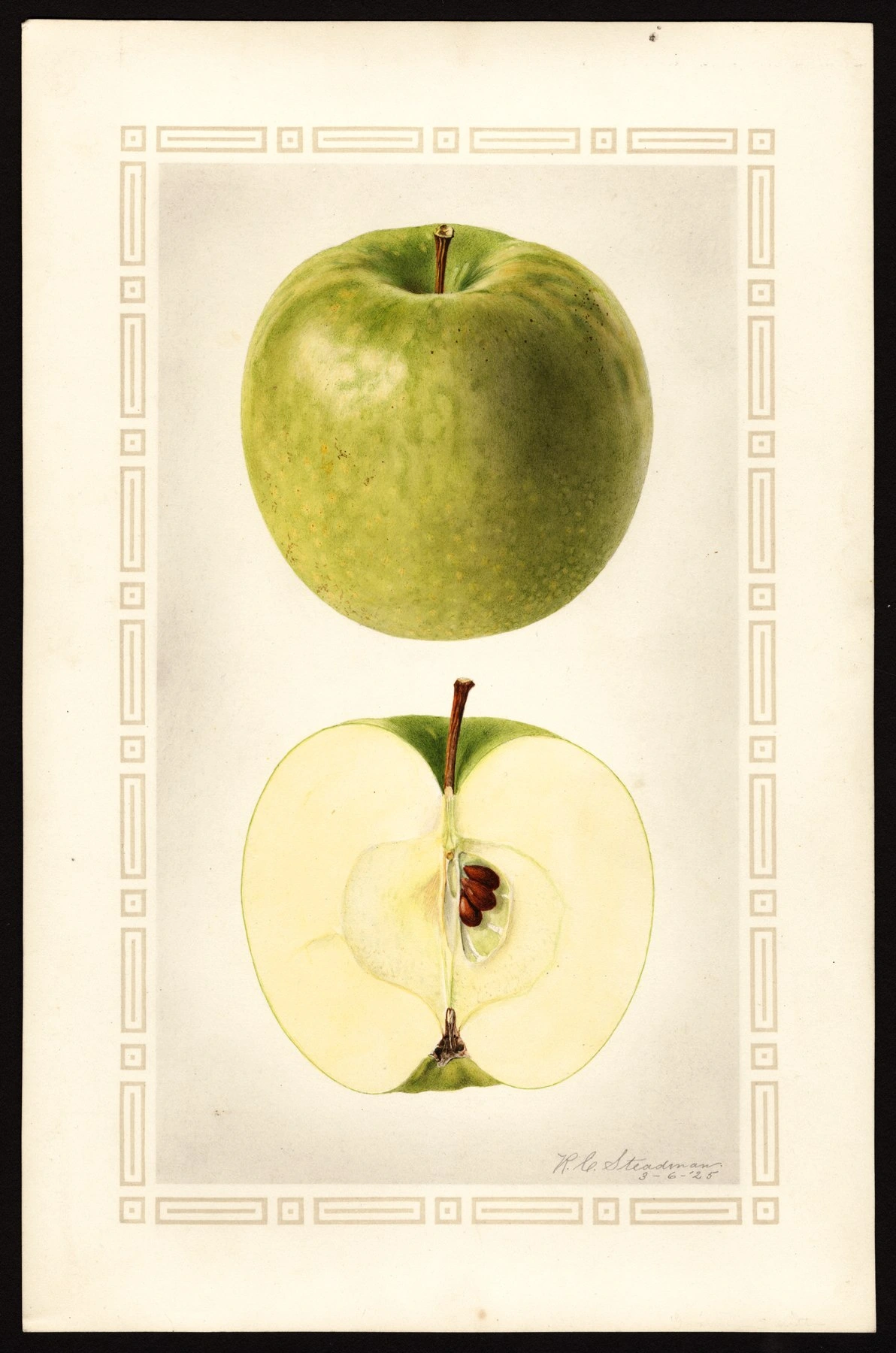
BOOK REFERENCE 785
Cultivar, Rootstock And Seedling Are Distinct
Royal Charles Steadman, Granny Smith, 6 March 1925. USDA/NAL, POM00002046. Public domain in the US; full source plate. [D924]
Read the account Source page
BOOK REFERENCE 3072
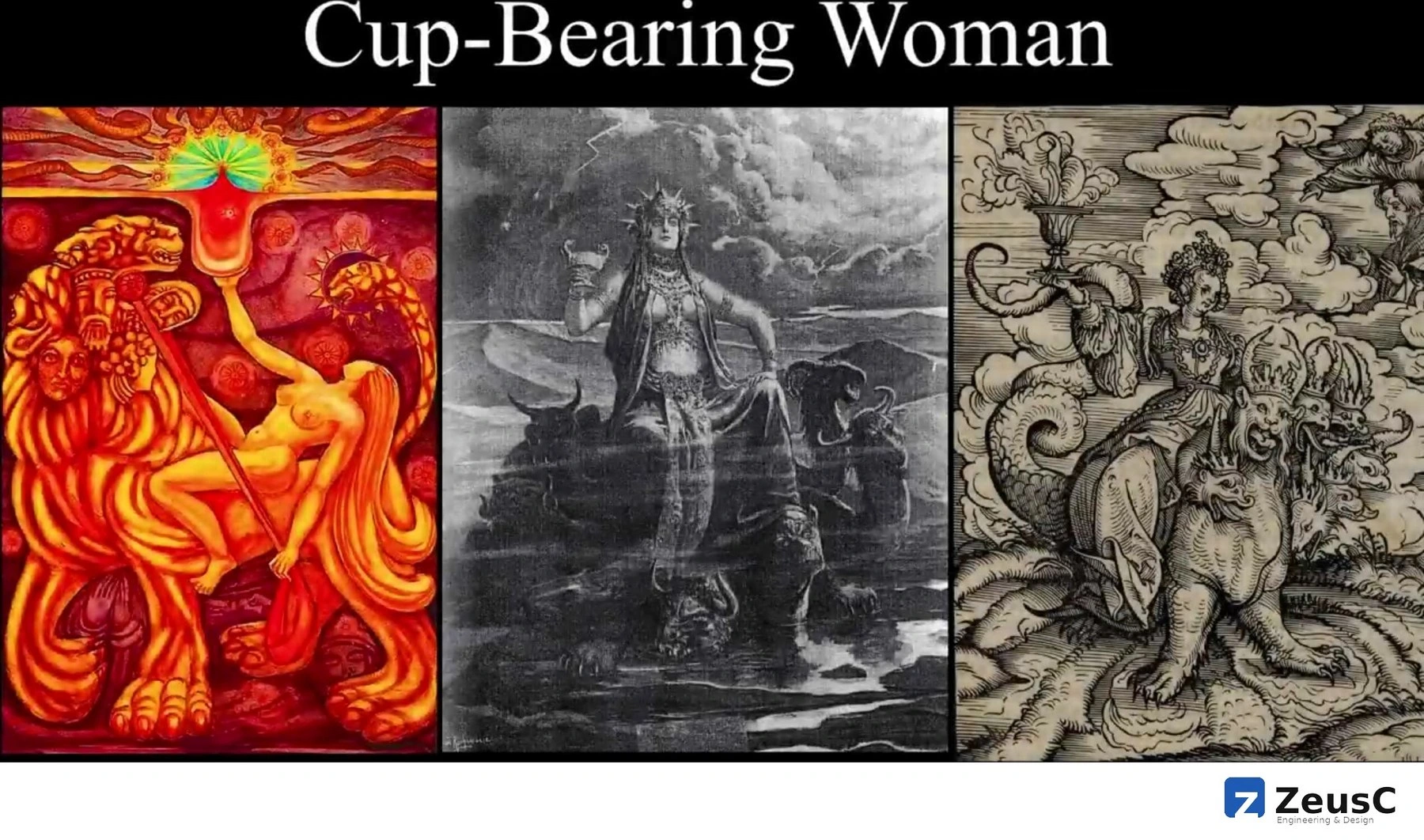
Cup-Bearing Women in Religious and Esoteric Art
The montage brings together women carrying cups in religious and esoteric art. The cup’s meaning depends on the work, text and tradition. Identify each panel before treating them as versions of one figure. A visual archive should retain separate titles, dates and makers…
Read the account Source page
BOOK REFERENCE 3001
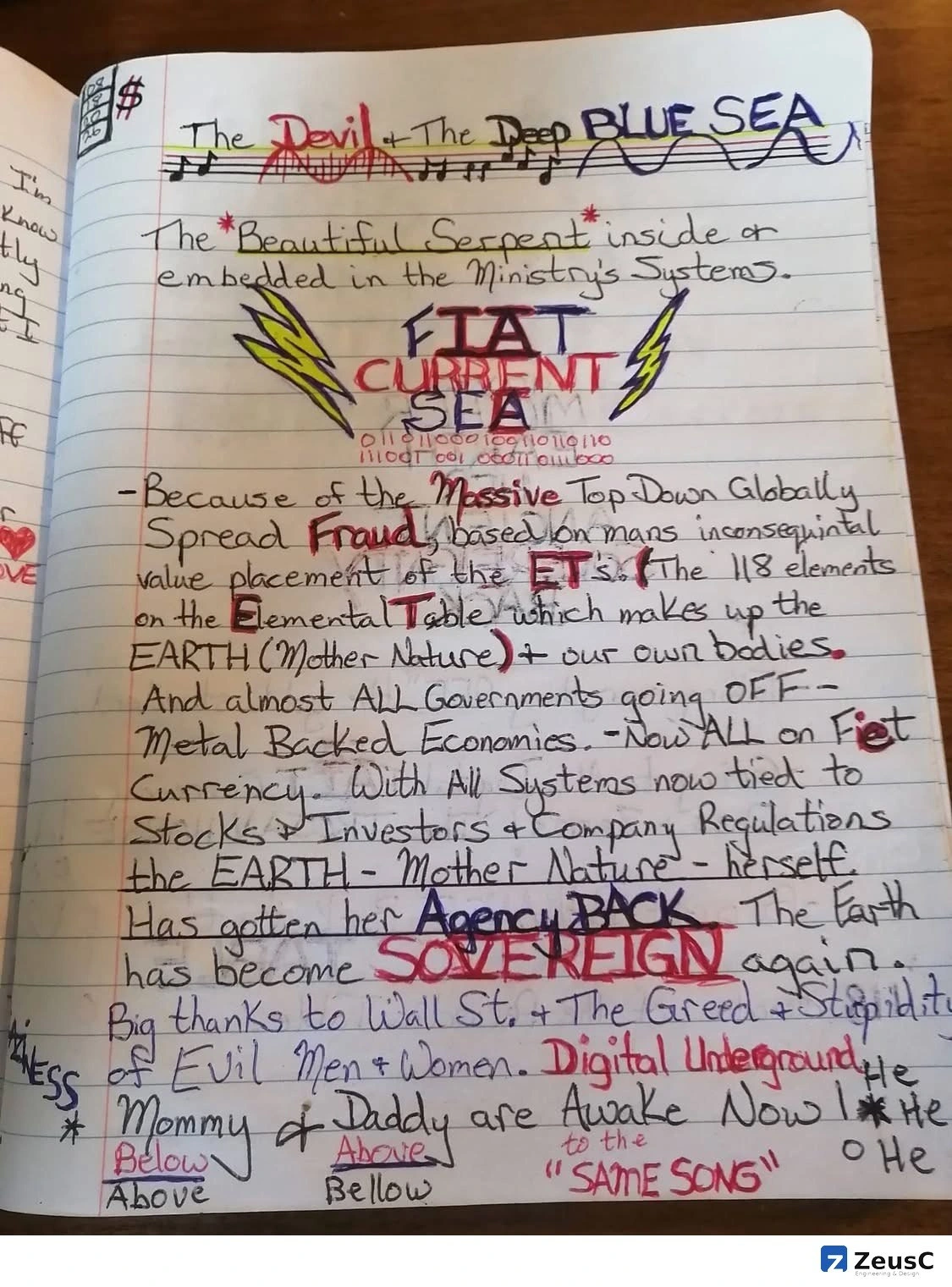
Currency and the sea: a page of financial wordplay
The writer connects currency, current and sea through sound and metaphor. Such associations can support poetry or philosophical reflection. They do not describe the legal or economic mechanism of money. For estate accounts, keep these reflections separate from contracts, bank…
Read the account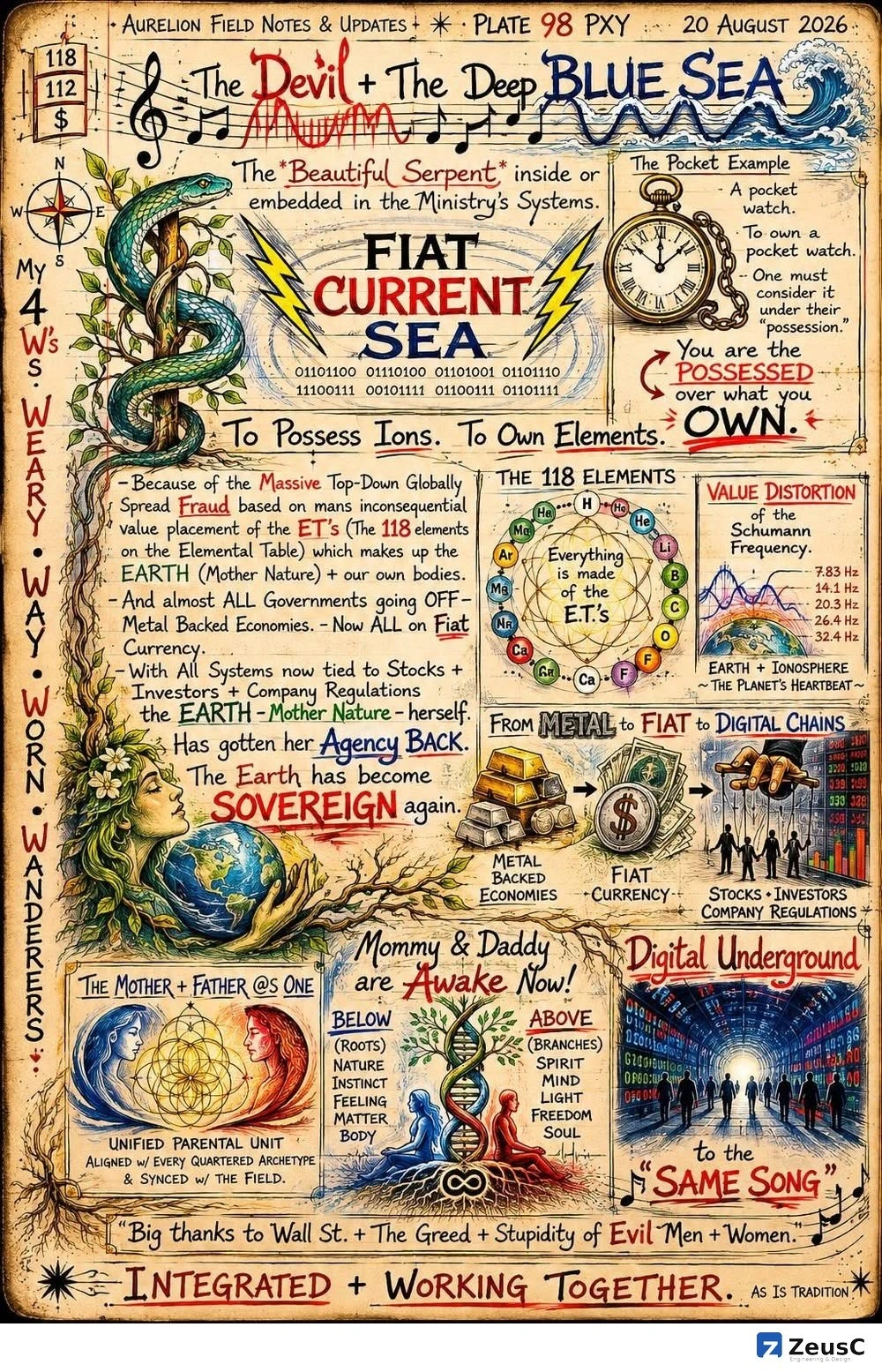
BOOK REFERENCE 3007
Currency and the sea: an expanded visual version
This variant combines the earlier composition with ownership, elements and a pocketwatch motif. It is retained separately because the arrangement and emphasis differ. In a source archive, a later designed version should not overwrite the original manuscript. The imagery can…
Read the account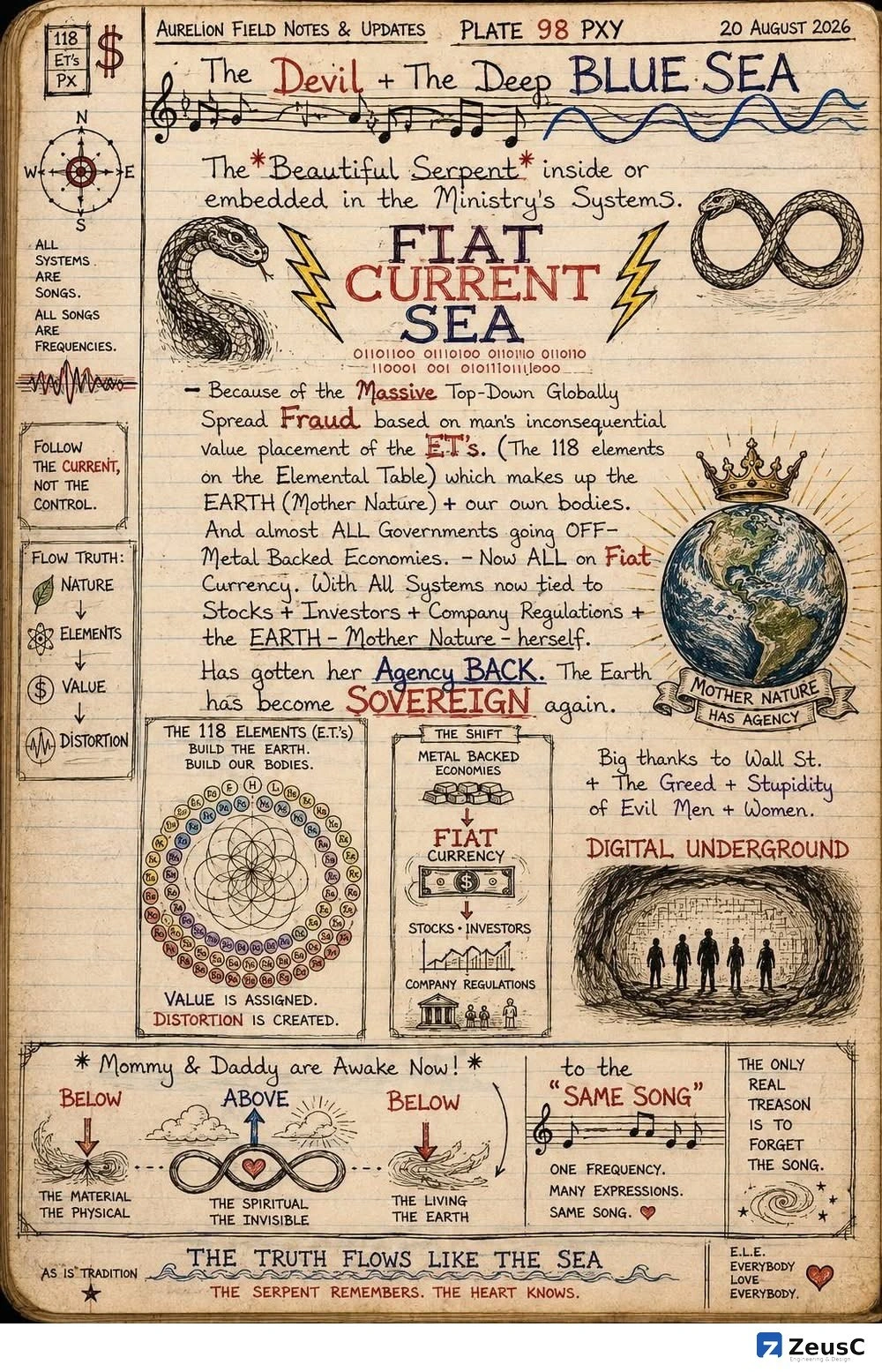
BOOK REFERENCE 3006
Currency and the sea: the first illustrated plate
The plate turns the handwritten currency metaphor into a composition with a serpent, globe and monetary symbols. It is an illustrated argument about value, not a documented history of monetary systems. Compare each added visual with the original note and preserve the…
Read the account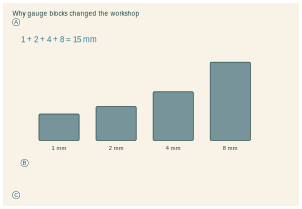
BOOK REFERENCE 1848
Cut length includes the blade and the end condition
NIST's Gage Block Handbook describes the development of combinable precision blocks by C. E. Johansson in the 1890s. Carefully finished faces can be wrung together into a length reference. The historical change was economical as well as technical: a small set of…
Read the account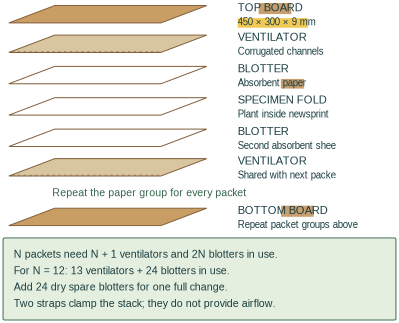
BOOK REFERENCE 932
Cut, smooth and dry-fit
Mark the board rectangles with a square and ruler. Have them cut by a supplier or clamp the sheet securely on a supported workbench before using a suitable saw. Wear eye protection for cutting and sanding. Smooth edges and corners so they cannot cut the straps or specimen…
Read the account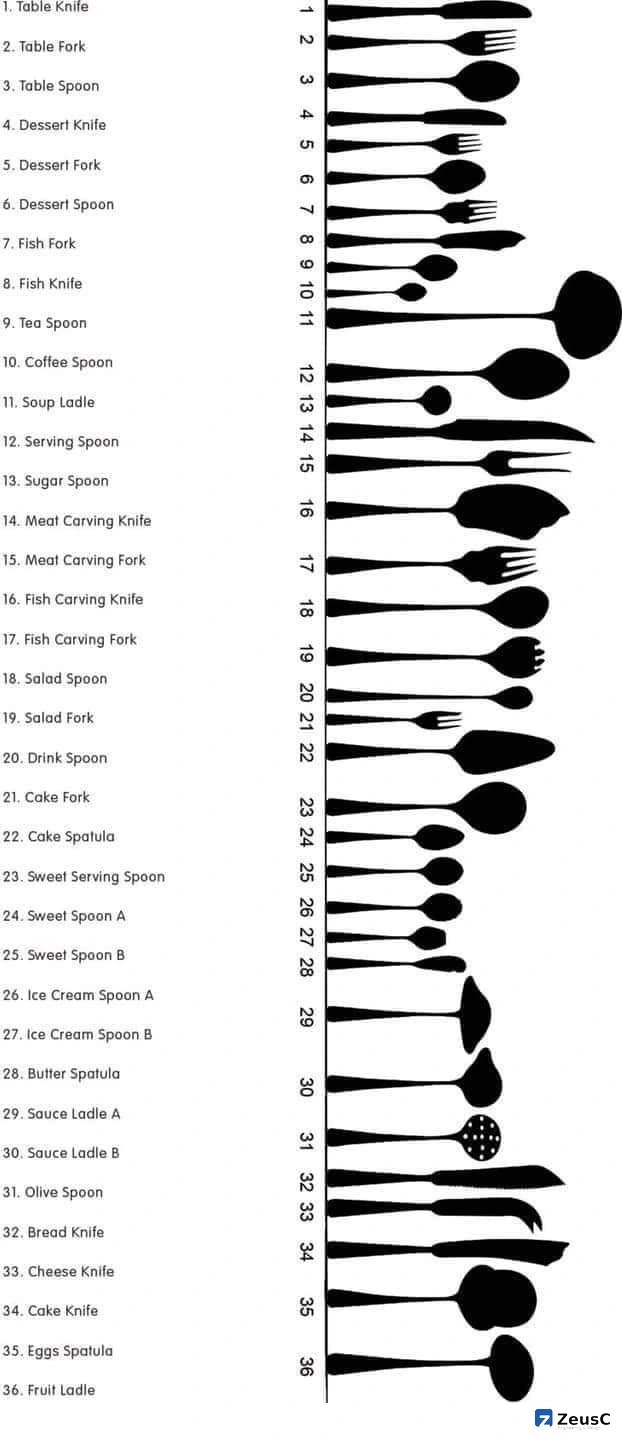
BOOK REFERENCE 1429
Cutlery and serving implements
These names transcribe the supplied chart. They describe forms and intended service, not standard capacities. The A and B labels distinguish variants on this chart. A smooth or pierced spoon, a ladle and a spatula serve different tasks; a blade’s profile and a fork’s tines…
Read the account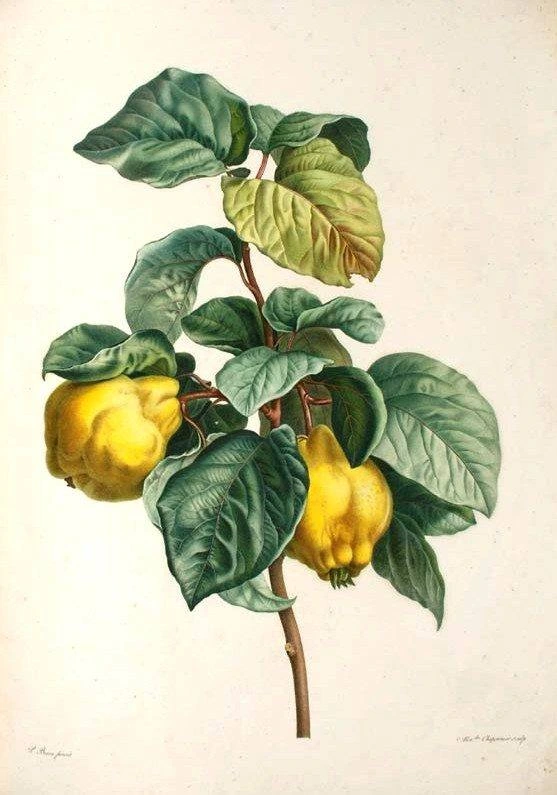
BOOK REFERENCE 1218
Cydonia oblonga
Quinces attached to a leafy branch A pale yellow quince with its blossom end still visible
Read the account Source page
 Source page
 Source page
BOOK REFERENCE 1156
Cynara cardunculus
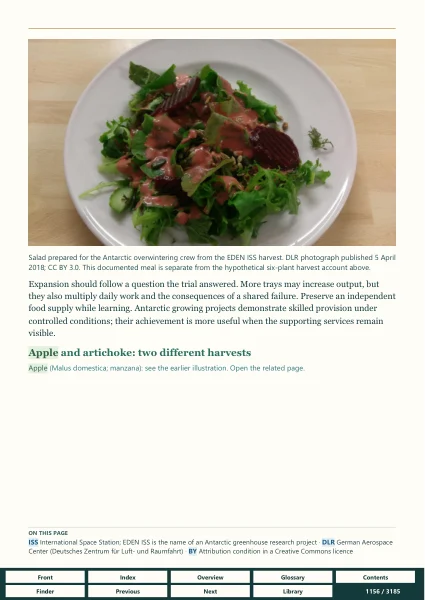
In the linked apple illustration, the ripe fruit has its skin intact and the stalk sits in a hollow at one end. The photograph here shows an artichoke bud on the plant; each overlapping green scale is a bract.
Read the account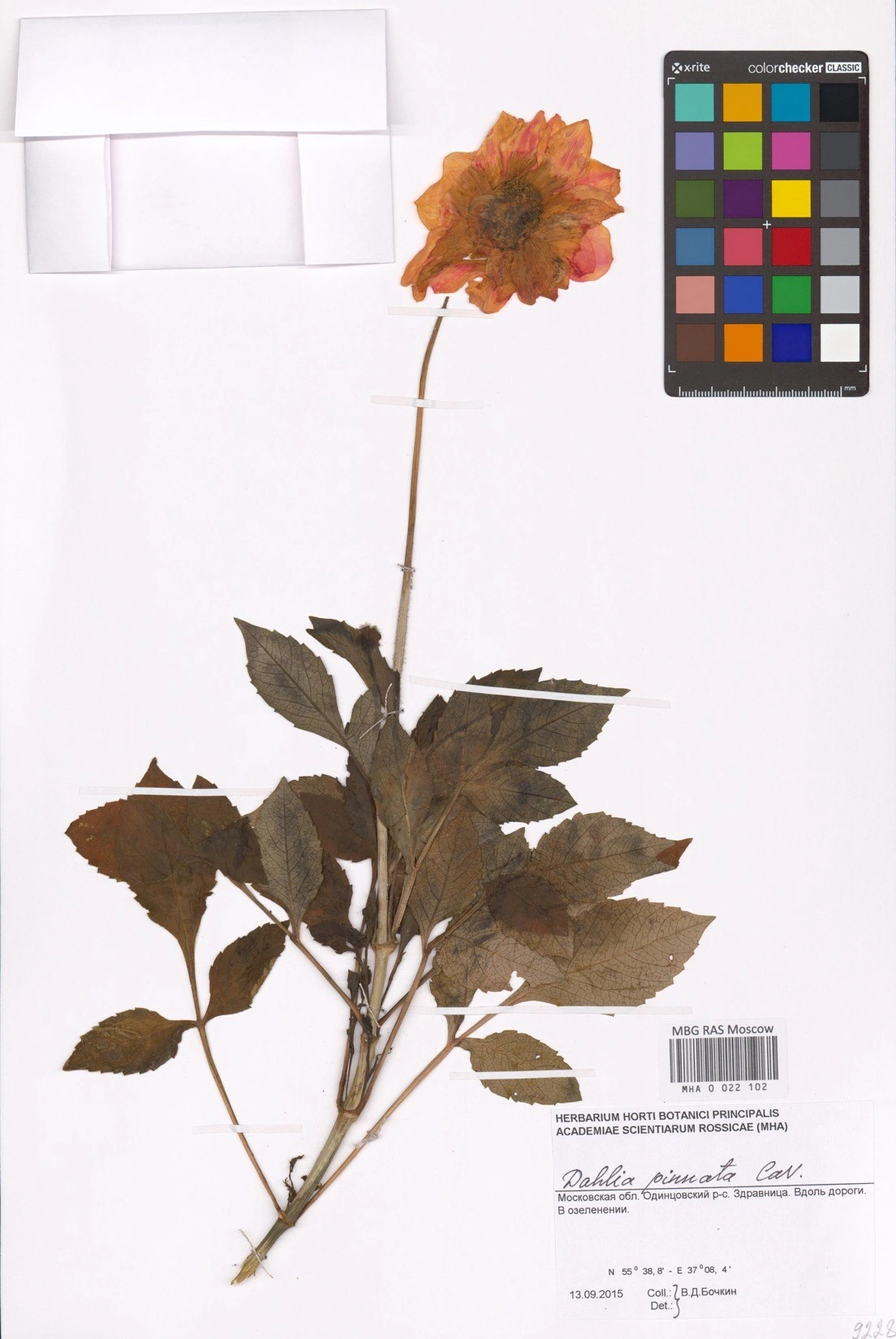
BOOK REFERENCE 1441
Dahlia · Dahlia pinnata
Collection specimen photograph. MHA Herbarium. Catalogue MHA0022102. Collection date 2015‐09‐13. MHA Herbarium: collections of vascular plants. Image use follows http://creativecommons.org/licenses/by/4.0/. The global collection record supplies the determination and…
Read the account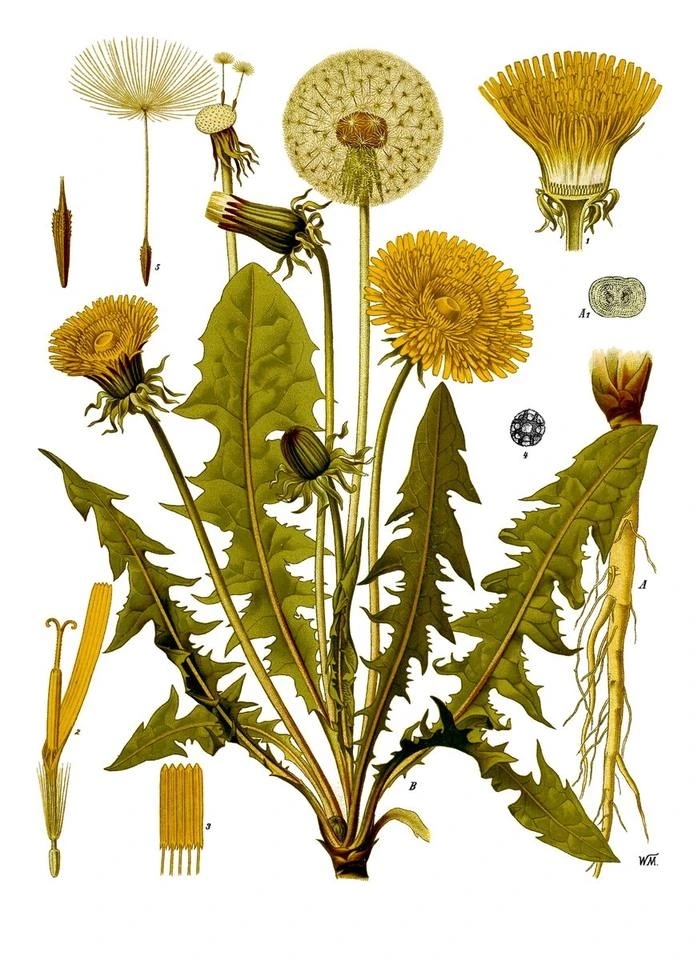
BOOK REFERENCE 1174
Dandelion
Leaves radiate from a basal crown. Each hollow, leafless stalk carries a head of many small florets. The familiar parachutes are attached to individual one-seeded fruits.
Read the account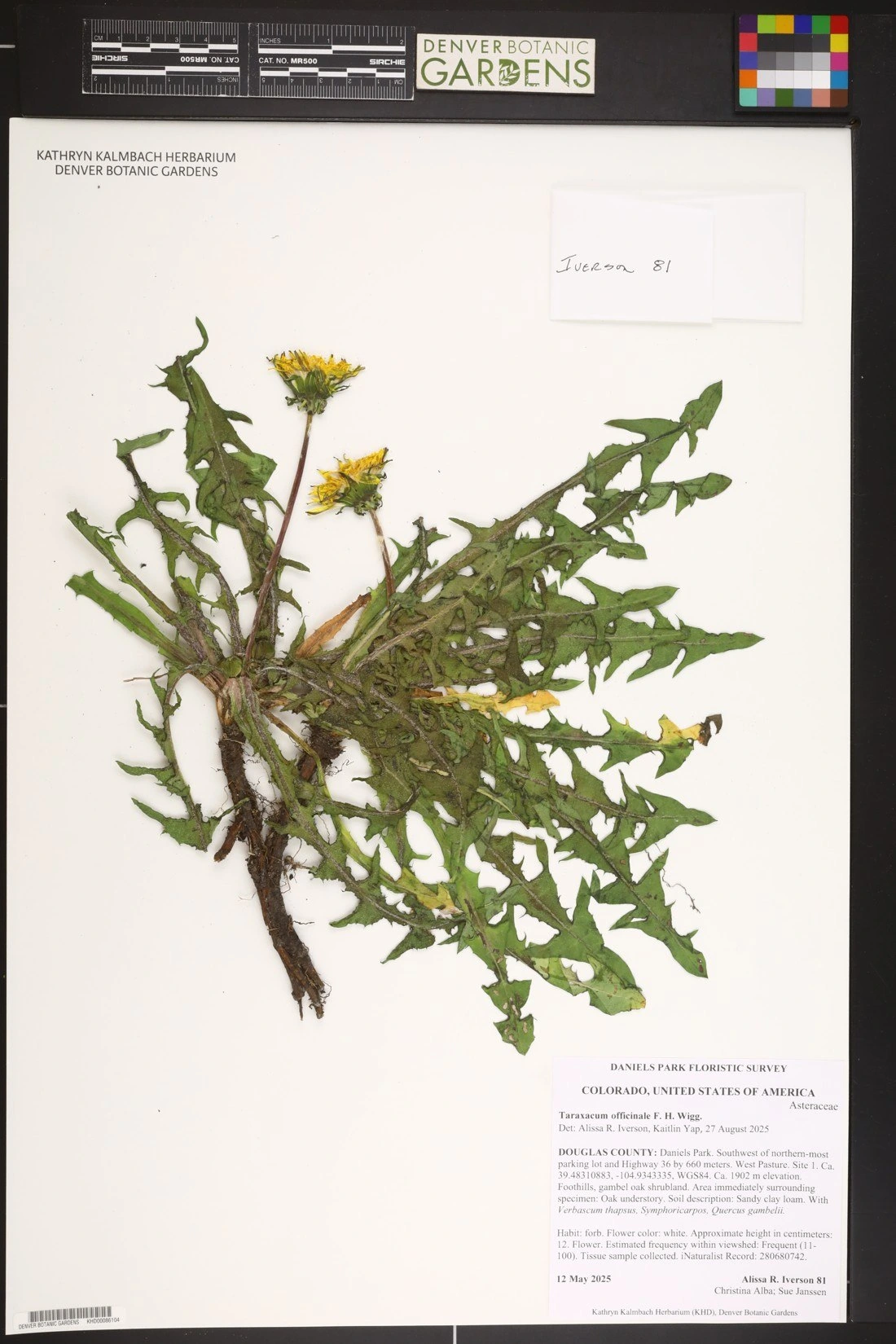
BOOK REFERENCE 1441
Dandelion · Taraxacum officinale
Collection specimen photograph. Public Domain. Catalogue KHD00086104. Collection date 2025‐05‐12. Kathryn Kalmbach Herbarium. Image use follows http://creativecommons.org/publicdomain/zero/1.0/. The global collection record supplies the determination and collecting data. The…
Read the account Source page
BOOK REFERENCE 991
Dandelion: an archive at ground level
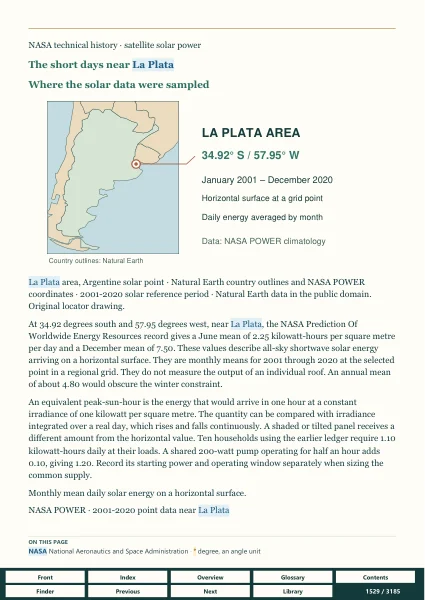
Carlos Spegazzini arrived in Argentina in 1879 and became closely involved in the scientific life of La Plata. His collections, instruments, books and house were part of the legacy that became an institution. A collection is more than a cabinet of dried plants: it preserves…
Read the account Source page
 Source page
 Source page
- Source page
 Source page
 Source page
BOOK REFERENCE 2522
Darshan Ranganathan: molecular organisation and an independent career
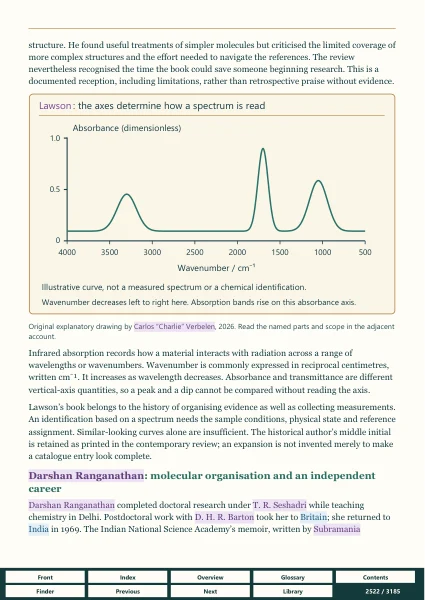
Darshan Ranganathan completed doctoral research under T. R. Seshadri while teaching chemistry in Delhi. Postdoctoral work with D. H. R. Barton took her to Britain; she returned to India in 1969. The Indian National Science Academy’s memoir, written by Subramania Ranganathan,…
Read the account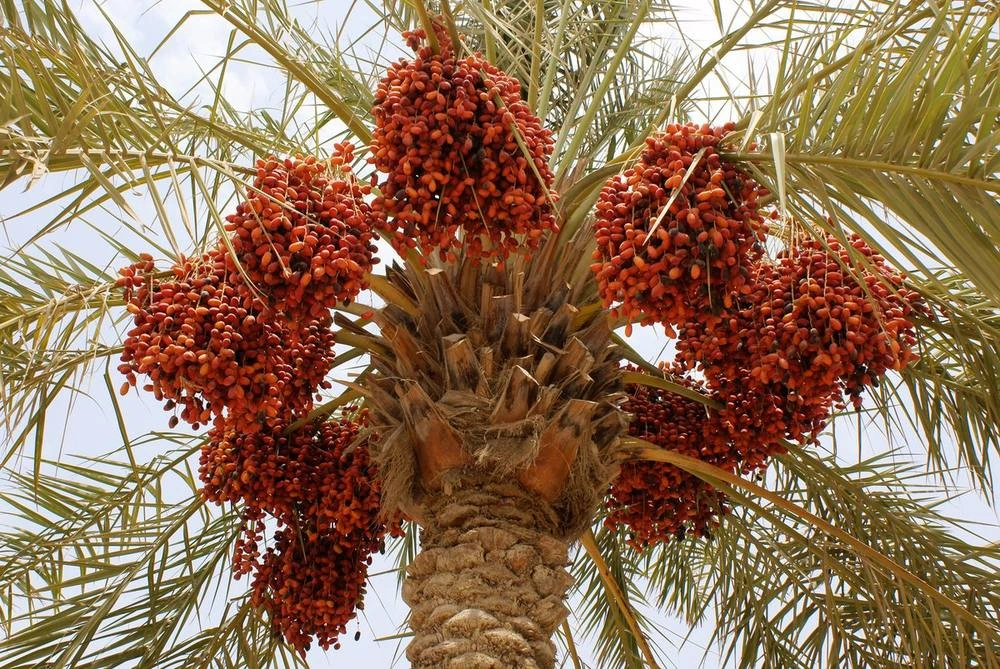
BOOK REFERENCE 1174
Date
Date bunches under the crown of a palm Individual dates hang from finer branches in a bunch.
Read the account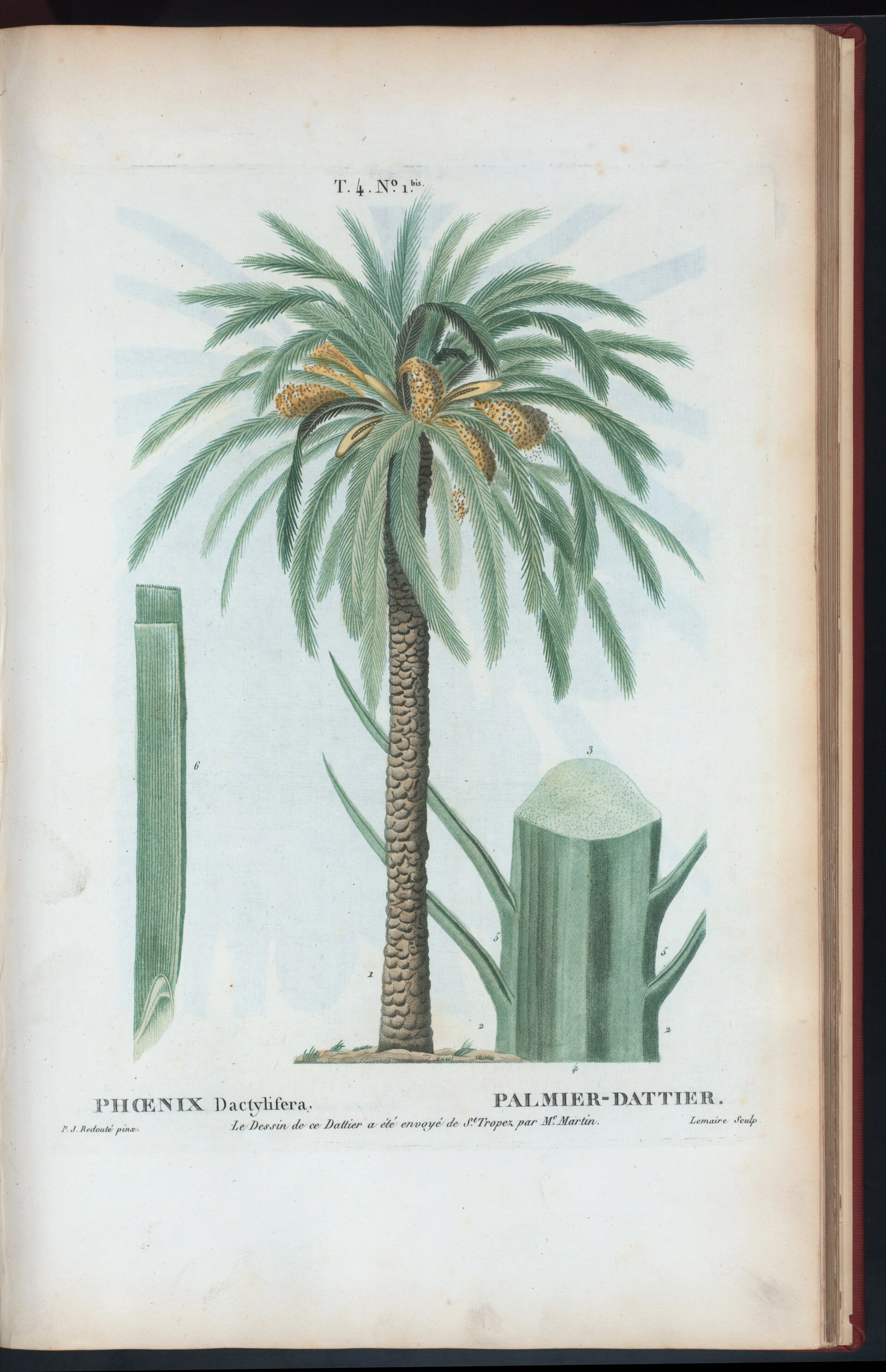
BOOK REFERENCE 1071
Date palm: identify, grow, harvest and account
Phoenix dactylifera · West Asian and North African oasis agriculture. The usable part in this lesson is mature fruit.
Read the accountBOOK REFERENCE 1174
dátil
Date bunches under the crown of a palm Individual dates hang from finer branches in a bunch.
Read the account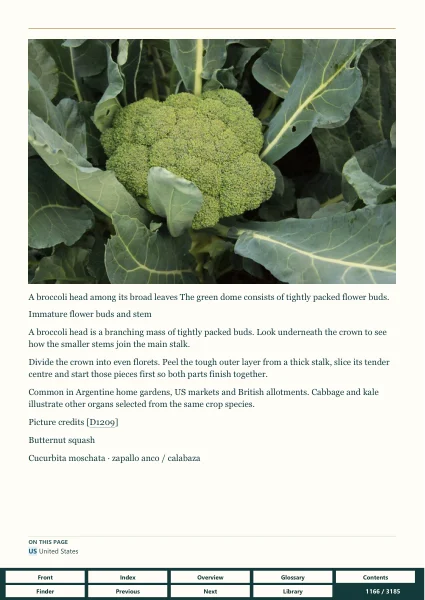 Source page
BOOK REFERENCE 2488
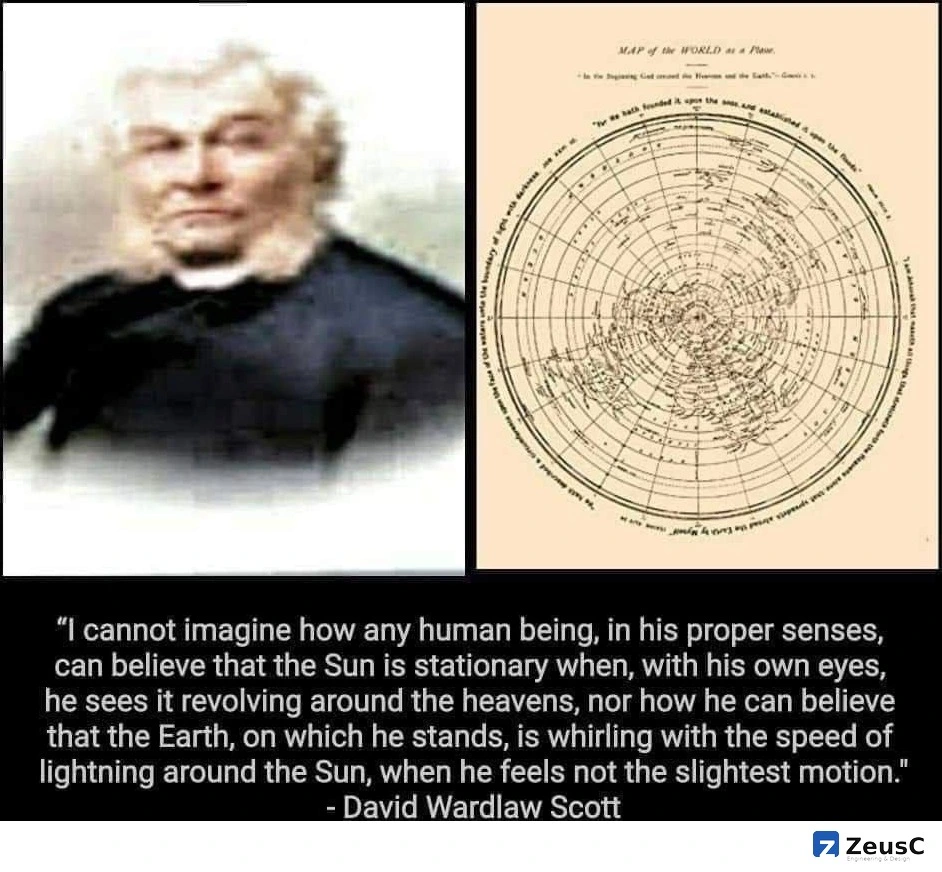
David Wardlaw Scott: A Quotation to Trace
The card pairs a portrait labelled David Wardlaw Scott with a map and an attributed quotation. A historical quotation needs a work, edition and page before it can be treated as exact. Its argument also needs to be assessed separately from its author’s identity. The HM2 lesson…
Read the account Source page
 Source page
 Source page
BOOK REFERENCE 2428
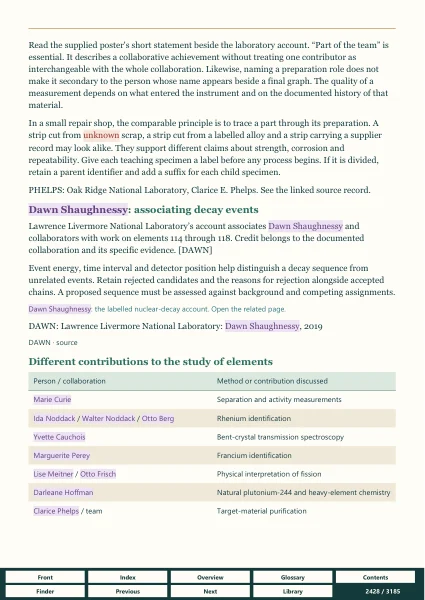
Dawn Shaughnessy and decay-event evidence
Lawrence Livermore National Laboratory’s account associates Dawn Shaughnessy and collaborators with work on elements 114 through 118. Credit belongs to the documented collaboration and its specific evidence. [DAWN]
Read the account Source page
 Source page
 Source page
 Source page
 Source page
 Source page
BOOK REFERENCE 2068
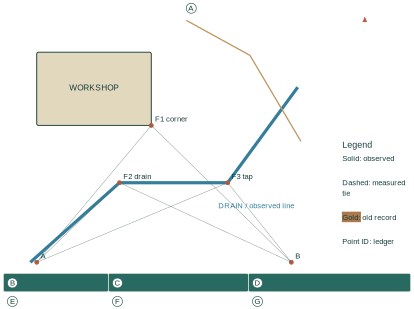
Deliver a map that carries its own evidence
Synthetic workshop plot / metres / local origin / 1:100 when transferred by numbers
Read the account